McCarthy Chevrolet Overland Park

Blog

Hauling Plants & Flowers This Summer? These Chevy Vehicles Make Gardening Easy in Overland Park

Spring and summer in the Kansas City metro mean gardening season is officially here. Whether you’re picking up flowers, shrubs, mulch, or garden supplies, having the right vehicle makes every trip easier.

At McCarthy Chevrolet of Overland Park, we’ve got trucks and SUVs built for everything from quick nursery runs to full landscaping projects.

👉 Shop inventory here


Best Chevy Vehicles for Gardening & Plant Hauls

🚚 Chevrolet Silverado 1500

Perfect for hauling mulch, soil, trees, and large landscaping supplies with its spacious truck bed and towing capability.

🚙 Chevrolet Colorado

A midsize truck that’s easy to maneuver while still giving you plenty of room for plants, tools, and garden materials.

🚐 Chevrolet Equinox

Great for smaller gardening trips with fold-flat rear seats and flexible cargo space for flowers and supplies.

🚙 Chevrolet Traverse & Tahoe

Ideal for larger family garden projects with massive cargo space and room for passengers and supplies.

👉 Browse new Chevy inventory: New Chevy Inventory


Great Places to Buy Plants & Flowers Around Kansas City

🌸 Family Tree Nursery
A KC favorite for flowers, shrubs, trees, and landscaping plants.

🌿 Suburban Lawn & Garden
Known for garden supplies, mulch, flowers, and seasonal plants.

🌱 Kaw Valley Greenhouses
Popular for locally grown vegetables, annuals, herbs, and hanging baskets.

🌼 City Roots Native Plant Nursery
Perfect for native plants and pollinator-friendly gardens.

🪴 The Home Depot Garden Center
Convenient for flowers, mulch, tools, and gardening essentials.


Make Gardening Season Easier

Whether you’re loading up flowers for the front porch or supplies for a full backyard makeover, Chevrolet trucks and SUVs give Kansas City drivers the space and capability to handle it all.

Ready to Upgrade?

Visit McCarthy Chevrolet of Overland Park and find the perfect vehicle for your summer projects.

👉 Shop Now

Recommended Posts

fall

Best Places to See Fall Colors Around Overland Park, Kansas, in Your Chevrolet

Take a Fall Drive: Where to See Beautiful Autumn Colors Around Overland Park Fall is one of the prettiest times of year in the Kansas City area. As the leaves turn shades of red, orange, and gold, local parks, winding trails, and tree-lined roads become perfect destinations for a seasonal adventure. Whether you're taking your Chevrolet Equinox out for a relaxing afternoon, loading up your Chevy Traverse for a family outing, or cruising in your Silverado, there are plenty of places around Overland Park to enjoy the changing leaves. Ready to plan a fall drive? Here are seven beautiful destinations to add to your autumn bucket list. 1. Overland Park Arboretum & Botanical Gardens – Overland Park, Kansas Best for: Colorful foliage, nature trails, and fall photography If you're looking for a great place to see fall colors close to home, the Overland Park Arboretum & Botanical Gardens is an excellent place to start. With gardens, wooded trails, ponds, and natural landscapes, there's plenty to explore as the leaves change. Take a leisurely walk, capture a few seasonal photos, and enjoy the peaceful scenery. You can spend a short afternoon exploring the gardens or allow extra time to venture farther along the trails. Location: 8909 W. 179th Street, Overland Park, KS Plan your visit: Overland Park Arboretum & Botanical Gardens 2. Indian Creek Hike and Bike Trail – Overland Park, Kansas Best for: Creekside scenery and a walk beneath colorful trees The Indian Creek Hike and Bike Trail offers a relaxing way to enjoy the outdoors without leaving the Overland Park area. The trail winds through wooded sections, parks, and areas alongside the creek, giving visitors a chance to see the changing foliage up close. Park at a convenient access point, take a walk or bike ride, and enjoy the crisp autumn air. It's an easy addition to a weekend itinerary, especially if you want to combine outdoor time with lunch or shopping nearby. Plan your visit: City of Overland Park 3. Loose Park – Kansas City, Missouri Best for: Mature trees, peaceful walking paths, and fall photos Loose Park is a Kansas City favorite for its spacious lawns, mature trees, walking paths, and scenic pond. During autumn, the park provides a beautiful backdrop for an afternoon stroll or a few seasonal photos. It's also a great option for couples or families who want to enjoy fall scenery without planning a long road trip. After exploring the park, continue your outing with a stop near the Country Club Plaza for coffee, shopping, or a meal. Location: 5200 Wornall Road, Kansas City, MO Plan your visit: Visit KC 4. Shawnee Mission Park – Shawnee, Kansas Best for: Lake views, wooded trails, and outdoor adventures For a fall outing with plenty of room to explore, head to Shawnee Mission Park. Its large lake, wooded areas, and network of trails offer different ways to enjoy the season. Walk along the trails, take in the views near the water, or pack a picnic for a relaxing afternoon outdoors. It's a versatile destination whether you're planning a short visit or making a full day of it. Location: 7900 Renner Road, Shawnee, KS Plan your visit: Johnson County Park and Recreation District 5. Summercrest Park – Overland Park, Kansas Best for: A peaceful neighborhood escape and colorful reflections on the water You don't need to travel far to enjoy a little fall scenery. Summercrest Park offers a neighborhood setting with a small lake, walking paths, mature trees, and a bridge that makes a lovely spot to pause and enjoy the surroundings. It's an easy choice for a quiet afternoon walk or a quick stop to appreciate the changing colors. If you want a simple fall outing close to home, add this park to your list. Location: Overland Park, KS Plan your visit: City of Overland Park 6. Powell Gardens – Kingsville, Missouri Best for: A full-day fall adventure and beautiful garden landscapes If you're ready to take a longer drive, Powell Gardens is worth considering. Located southeast of the Kansas City metro, this botanical garden features landscaped gardens, natural areas, and walking paths that offer a different perspective on the season. Explore the grounds, enjoy the fall scenery, and bring your camera along. Check the official website before leaving for current admission details, seasonal events, and visitor hours. Location: 1609 NW U.S. Highway 50, Kingsville, MO Plan your visit: Powell Gardens 7. Weston Bend State Park – Weston, Missouri Best for: A scenic road trip and views of the Missouri River valley For those who want to turn leaf-peeping into a longer adventure, Weston Bend State Park offers wooded trails and scenic overlooks above the Missouri River valley. The combination of rolling landscapes and changing leaves can make this a memorable autumn destination. Give yourself time to explore the trails and enjoy the views before heading back toward Overland Park. Location: 16600 Highway 45 North, Weston, MO Plan your visit: Missouri State Parks When Is the Best Time to See Fall Colors Around Overland Park? Fall foliage timing varies from year to year depending on temperatures, rainfall, and other weather conditions. Around Overland Park and Kansas City, colorful leaves often appear during October, with some areas reaching their best color in late October or early November. To make the most of your fall adventure: Check current foliage reports before planning your trip. Visit parks in the morning or late afternoon for beautiful natural light. Explore a mix of wooded trails, lakes, and gardens for different views. Keep your plans flexible, since wind and changing weather can affect how long the leaves remain on the trees. For current regional updates, check the Missouri Department of Conservation's Kansas City fall color report. Get Your Chevrolet Ready for a Fall Road Trip Before heading out to enjoy the changing leaves, take a few minutes to prepare your vehicle for the drive. Check your tire pressure, windshield wipers, fluid levels, and exterior lights. If you're planning a longer trip, make sure your Chevrolet is up to date on routine maintenance. Whether you drive a Chevrolet Trax, Equinox, Traverse, Colorado, or Silverado, a little preparation can help make your fall adventure more enjoyable. At McCarthy Chevrolet Overland Park, we're here to help you explore your options and keep your Chevrolet ready for the road. Visit McCarthy Chevrolet Overland Park to browse our inventory and learn more about our dealership. Your next fall adventure is waiting! Grab your keys, pick a destination, and enjoy the beautiful autumn colors around Overland Park and Kansas City.


What Is the Correct Tire Pressure, and How Often Should You Check It?

Your tires play a major role in your vehicle’s safety, handling, fuel efficiency, and overall performance. But even if your tires look perfectly fine, they may not have the correct amount of air pressure. For drivers in Overland Park, KS, checking tire pressure is a simple maintenance habit that can help prevent uneven tire wear, improve driving comfort, and prepare your vehicle for changing Kansas weather. At McCarthy Chevrolet Overland Park, we’re answering common tire pressure questions, explaining how to check your PSI at home, and sharing when it may be time to have your tires inspected. What Is the Correct Tire Pressure for Your Vehicle? The correct tire pressure depends on your vehicle’s make, model, year, tire size, and loading requirements. Many passenger vehicles recommend pressures in the range of 30–35 PSI, but you should always use the specification for your particular vehicle. The easiest way to find your recommended tire pressure is to check the driver-side doorjamb label. You can also consult your owner’s manual. Your vehicle’s recommended pressure is usually listed in pounds per square inch (PSI). Where Can You Find Your Recommended PSI? Look in these places to find the correct tire pressure for your Chevrolet: Driver-side doorjamb: Look for the tire and loading information label. Owner’s manual: Check the tire and wheel section for recommended pressures and additional guidance. Tire pressure monitoring system: Your vehicle may display tire pressure information on the instrument panel or infotainment screen, depending on the model and equipment. Avoid using the maximum PSI printed on the tire sidewall as your target pressure. That number generally identifies the tire’s maximum permitted inflation pressure under specified conditions, not the vehicle manufacturer’s recommended setting for everyday driving. How Often Should You Check Your Tire Pressure? A good rule of thumb is to check your tire pressure at least once a month and before long road trips. You should also check it when there is a significant change in outdoor temperature or when your vehicle’s tire pressure monitoring system alerts you to a potential problem. In Overland Park and the greater Kansas City area, temperatures can swing significantly between summer and winter. Because tire pressure changes with temperature, your tires may need attention as the seasons change. Here’s a simple schedule to follow: Once a month: Check all four tires, including the recommended pressure for each tire. Before a road trip: Verify tire pressure before carrying extra passengers or luggage. During seasonal changes: Recheck pressure when temperatures rise or drop substantially. When a warning light appears: Check the tires as soon as it is safe to do so. After noticing a problem: Investigate a tire that repeatedly loses pressure, looks unusually low, or has visible damage. Don't rely on appearance alone. A tire can be underinflated without looking flat. How to Check Tire Pressure at Home Checking your tire pressure takes only a few minutes with a reliable tire pressure gauge. Step 1: Check Your Tires When They're Cold For the most accurate reading, check tire pressure before driving or after the vehicle has been parked for several hours. Driving warms the tires and can increase the pressure reading. Do not let air out of a warm tire simply because the reading is higher than the recommended cold pressure. Step 2: Find the Recommended PSI Read the tire information label on the driver-side doorjamb or consult your owner’s manual. Check the recommended pressure for the front and rear tires, since some vehicles specify different pressures. Step 3: Remove the Valve Stem Cap Unscrew the small cap from the tire’s valve stem and keep it somewhere safe. Step 4: Use a Tire Pressure Gauge Press the gauge firmly onto the valve stem until you get a reading. If you hear air escaping, reposition the gauge and try again. Compare the reading with your vehicle’s recommended cold tire pressure. Step 5: Add or Release Air as Needed If the pressure is too low, add air in small amounts and recheck the reading. If the pressure is too high and the tire is cold, release a small amount of air and measure again. Repeat this process until the tire reaches the recommended pressure. Step 6: Check All Four Tires Repeat the process for each tire, even if only one tire triggered a warning. Remember to replace the valve stem caps when you're finished. Don't forget the spare tire. If your vehicle has a spare, check its pressure according to the owner's manual and the tire's specifications. What Happens If Your Tire Pressure Is Too Low or Too High? Incorrect tire pressure can affect how your vehicle handles and how your tires wear over time. Driving With Underinflated Tires When a tire doesn't have enough air, it can flex more than intended while driving. This may contribute to: Increased tire wear, particularly along the outer edges. Reduced fuel efficiency. Changes in steering response and handling. Excessive heat buildup, which can increase the risk of tire failure. Severely underinflated tires should not be driven on. If a tire looks flat or you suspect serious damage, stop in a safe place and arrange assistance. Driving With Overinflated Tires Overinflated tires can also create problems, including: Uneven wear, often concentrated near the center of the tread. A firmer ride. Reduced ability to absorb bumps. Changes in traction and handling. The goal isn't to put as much air in your tires as possible. It's to maintain the pressure recommended by your vehicle manufacturer. What Does the Tire Pressure Warning Light Mean? Many modern Chevrolet vehicles have a Tire Pressure Monitoring System (TPMS) that alerts drivers when one or more tires are significantly underinflated. If the warning light comes on, check your tire pressures as soon as you can safely stop. Use a gauge rather than assuming the system tells you the exact pressure. A TPMS warning doesn't always identify the cause. A tire may have a puncture, a slow leak, or a pressure change caused by colder weather. If the warning light flashes before staying on, your vehicle may be indicating a TPMS malfunction. Check your owner's manual for the correct interpretation and have the system inspected if necessary. Even when the warning light is off, continue checking tire pressure monthly. The system is not a substitute for regular maintenance. How Does Kansas Weather Affect Tire Pressure? Temperature changes are especially important for drivers in Overland Park. As temperatures drop, tire pressure generally decreases. As temperatures rise, pressure generally increases. A commonly used estimate is about 1 PSI for every 10°F change in temperature, although the actual change can vary. For example, a tire inflated to the recommended pressure during a warm afternoon may read lower after a cold night. That doesn't mean you should inflate your tires above the manufacturer's recommendation in anticipation of colder weather. Instead, check them when cold and adjust them to the recommended pressure as conditions change. If a tire continues to lose pressure, have it inspected for a puncture, leaking valve, or other issue rather than assuming the weather is responsible. When Should You Have Your Tires Inspected? Regular pressure checks are important, but they're only one part of tire maintenance. Consider scheduling an inspection if you notice: A tire that repeatedly loses air. Cracks, bulges, punctures, or other visible damage. Uneven tread wear. Vibrations or changes in handling. Frequent TPMS warnings. Tires approaching the replacement limits described in your owner's manual or tire manufacturer's guidance. A technician can check tire condition, identify potential leaks, and help determine whether your tires need repair, rotation, alignment, or replacement. For more tire safety information, visit the National Highway Traffic Safety Administration's tire safety resources. Keep Your Chevrolet Ready for the Road at McCarthy Chevrolet Overland Park Maintaining the correct tire pressure is one of the simplest ways to care for your vehicle. A quick monthly check can help you spot problems early, support even tire wear, and keep your Chevrolet ready for daily commutes, weekend errands, and longer trips around Kansas and Missouri. If you're unsure about your vehicle's recommended PSI or have noticed a tire pressure warning, the team at McCarthy Chevrolet Overland Park can help you explore your maintenance options. Need a tire inspection or service? Visit the McCarthy Chevrolet Overland Park website. Explore our service department. Stop by at 9201 Metcalf Ave., Overland Park, KS 66212. Check your tire pressure this month. It's a small step that can make a meaningful difference in how your vehicle performs on the road!

Car Accident

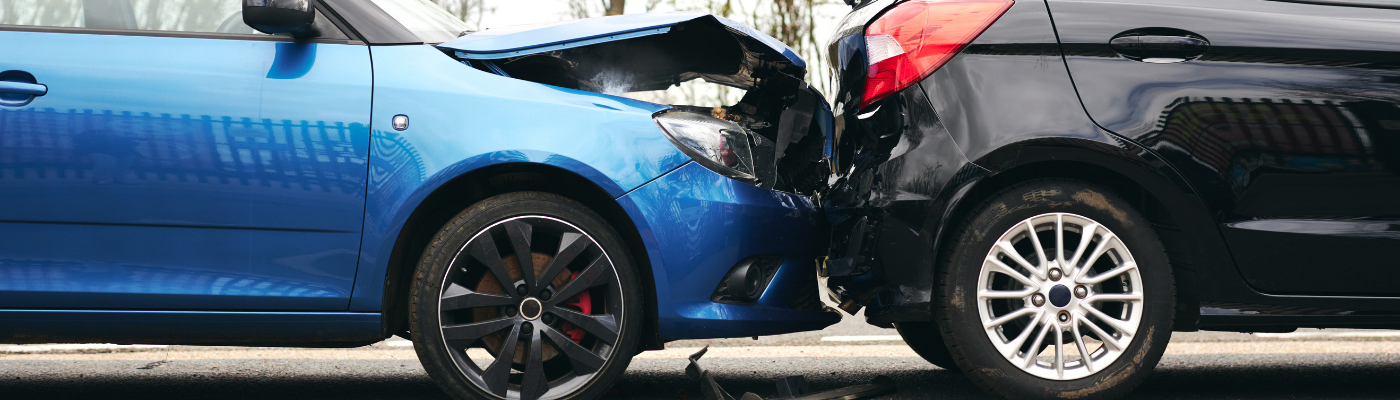
Can You See the Accident Report? Questions to Ask When Buying a Used Car in Overland Park, KS

Shopping for a used car comes with plenty of questions, but one you should never be afraid to ask is: “Can I see the vehicle’s accident history?” Whether you're shopping for a pre-owned Chevrolet Silverado, Equinox, Traverse, or another vehicle, understanding its history can help you make a more informed decision. A car may look great on the outside, but knowing more about its past can help you understand what you're buying before you sign the paperwork. At McCarthy Chevrolet Overland Park, we're breaking down what accident reports and vehicle history reports can tell you, what to ask a dealership, and how to protect yourself when shopping for your next used vehicle. Can You Ask to See an Accident Report When Buying a Used Car? Absolutely! Asking about a vehicle's accident history is a smart part of the used-car shopping process. However, it's important to understand the difference between an official police accident report and a vehicle history report. Police accident report: A record created by law enforcement following a reported crash. Availability and access depend on the circumstances and the agency's rules. Vehicle history report: A report that may include recorded accidents, title information, ownership history, odometer readings, and certain service or repair records. When shopping for a used vehicle, ask the dealership whether a vehicle history report is available and whether any known accident or damage history has been disclosed. Keep in mind that not every accident is reported to law enforcement or an insurance company. A vehicle history report may not include every collision, repair, or incident in a vehicle's past. Why Is an Accident History Important? An accident doesn't automatically mean a vehicle is a bad purchase. The extent of the damage, the quality of the repairs, and the vehicle's current condition all matter. Reviewing the available history can help you ask better questions and determine whether you want to investigate further. 1. Understand Previous Damage A vehicle history report may identify accidents or damage reported to participating data sources. This information can give you a starting point for asking what happened and whether repairs were completed. If an accident appears on the report, ask whether documentation of the repairs is available. 2. Learn About Title History Check whether the vehicle has a clean title or has ever been branded as salvage or rebuilt. Title information can be an important part of evaluating a used car. You can learn more about vehicle title and history information through the National Motor Vehicle Title Information System. 3. Ask About Previous Repairs If the vehicle has a recorded accident, ask whether repair invoices, maintenance records, or other documentation are available. Properly repaired accident damage may not prevent a vehicle from being a good fit for you. The important thing is to understand the available information and assess the vehicle's current condition. 4. Make a More Informed Buying Decision The more you know about a vehicle, the better prepared you are to decide whether it meets your needs and expectations. Reviewing the available history alongside an inspection and a test drive can help you make a more confident decision. 5 Questions to Ask Before Buying a Used Car Not sure what to ask the salesperson? Start with these five questions. 1. Can I see the vehicle history report? Ask whether a report from a provider such as CARFAX or AutoCheck is available. Review any reported accidents, title issues, odometer discrepancies, or other information that may affect your decision. 2. Has the vehicle ever been in an accident? Ask about any known collision or damage history, including incidents that may not appear on a vehicle history report. 3. Are repair or maintenance records available? Documentation can help you understand what work has been performed and whether previous damage was addressed. 4. Can I have the vehicle independently inspected? An independent inspection by a qualified mechanic can help identify issues that a history report won't reveal. The Federal Trade Commission recommends obtaining an independent inspection before buying a used car. 5. Are there any open safety recalls? Use the vehicle identification number (VIN) to check for unrepaired safety recalls through the National Highway Traffic Safety Administration's recall lookup tool. Asking these questions doesn't have to make the buying process complicated. It simply helps you gather the information you need before making a decision. What If the Vehicle History Report Shows an Accident? Don't automatically rule out the vehicle. Instead, take time to understand the details. Here are a few steps to consider: Ask for an explanation: Find out what is known about the incident and whether additional documentation is available. Review repair records: Look for information about the work completed after the accident. Schedule an independent inspection: Have a qualified mechanic evaluate the vehicle for potential damage or repair concerns. Review the title: Check for any salvage, rebuilt, or other title branding. Consider your comfort level: Decide whether the available information, vehicle condition, and price meet your expectations. Remember, a clean vehicle history report is not a guarantee that a vehicle has never been damaged. Reports rely on available records, and some incidents may never be documented in the databases they use. For additional guidance, visit the FTC's used-car buying advice. Does Every Used Car Have an Accident Report? No. There isn't necessarily a separate police accident report for every used vehicle. A police report may not exist if a crash was never reported or if law enforcement did not create a report. Even when an official report exists, obtaining it may require specific information about the incident and may be subject to access restrictions. A vehicle history report is generally a more practical starting point for shoppers who want to learn about a vehicle's recorded past. However, it should be considered one part of the research process, not a complete guarantee of a vehicle's condition. Shop for Your Next Used Vehicle at McCarthy Chevrolet Overland Park Buying a used vehicle should involve more than finding the right price and taking a test drive. Asking questions, reviewing available records, and understanding a vehicle's history can help you shop with greater confidence. At McCarthy Chevrolet Overland Park, you can explore pre-owned vehicles and speak with our team about the information available for the vehicle you're considering. Whether you're looking for a dependable daily driver, a spacious family SUV, or a capable pre-owned Chevy truck, we're here to help you explore your options. Ready to start shopping? Browse our inventory: McCarthy Chevrolet Overland Park Visit us at 9201 Metcalf Ave., Overland Park, KS 66212. Ask the questions that matter, review the information available, and find a vehicle that fits your needs. Hope this helps your car buying experience!