



Waking up on a freezing Overland Park morning, walking outside, and realizing your entire windshield is covered in frost is nobody's favorite surprise! Before you can head to work, drop the kids off at school, or start your morning commute, you've got to get your vehicle warmed up and that ice off your windows.
But how long should you actually let your vehicle run before driving away? Should you let it idle for 10 or 15 minutes? Is it better to start driving right away? And what's the safest way to clear frost without damaging your windshield?At McCarthy Chevrolet Overland Park, we're helping Overland Park and Kansas City drivers prepare for winter with these helpful tips for starting a frosted-over vehicle and getting safely on the road.
1. Start Your Vehicle and Let It Warm Up for About 30 Seconds
Here's something many drivers don't realize: modern vehicles generally don't need to sit and idle for 10–15 minutes before driving.Most modern gasoline-powered vehicles are designed to warm up while driving.
In typical cold-weather conditions, starting your vehicle and allowing it to idle for approximately 30 seconds is usually enough before beginning a gentle drive.
Why not let it run longer?
- Modern engines use electronic fuel injection.
- Engine oil begins circulating shortly after startup.
- Driving gently helps the engine reach its normal operating temperature more efficiently.
- Excessive idling wastes fuel and creates unnecessary emissions.
The most important rule: Never drive until you have cleared your windshield, side windows, mirrors, and other areas needed for safe visibility.
2. Use Your Defroster to Clear Frost From Your Windshield
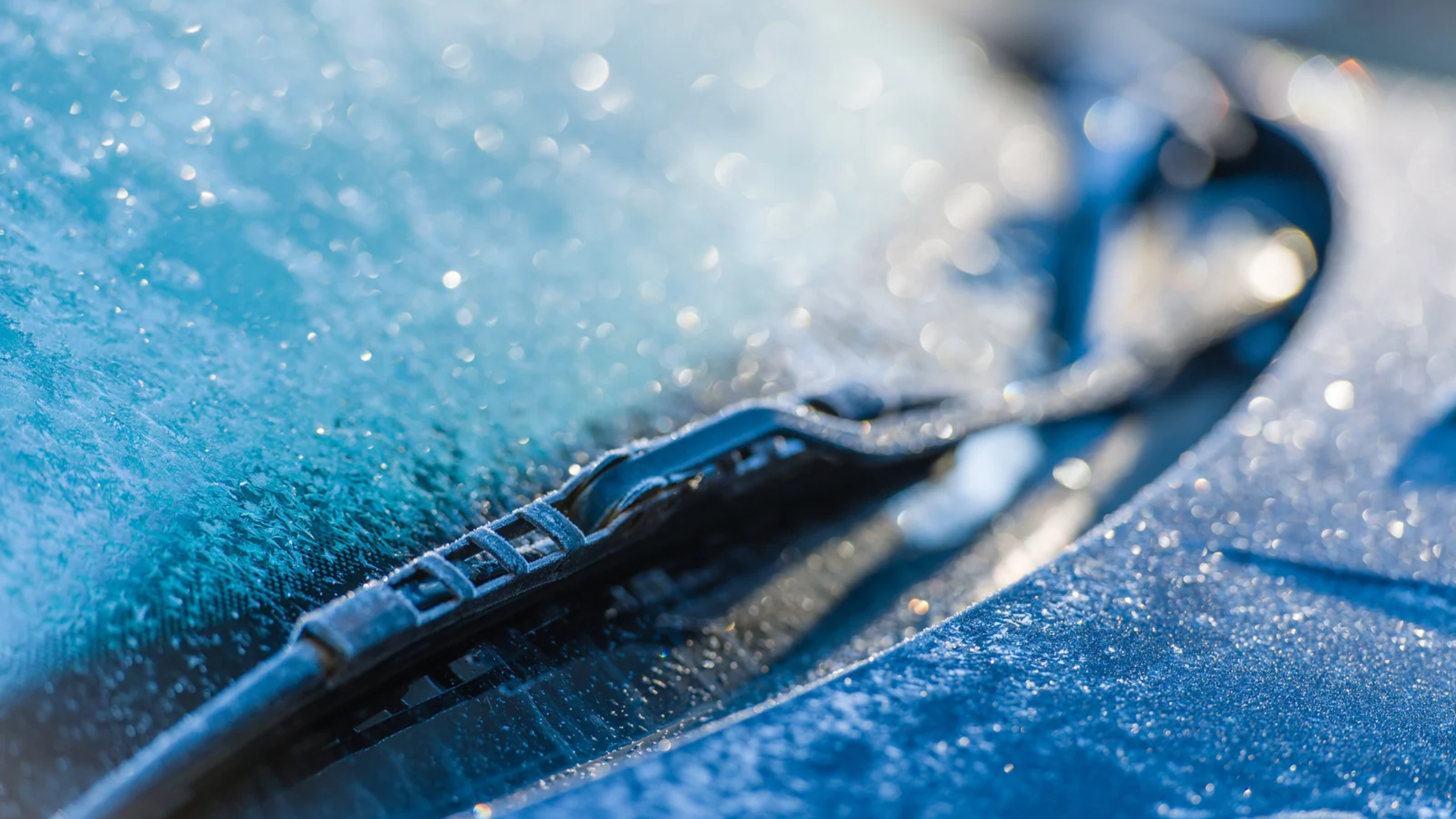
If your windshield looks like it spent the night in a freezer, your defroster is your best friend!Most modern Chevrolet vehicles feature front windshield defrost settings that help direct warm air toward the glass.
Here's what to do:
- Start your vehicle.
- Turn on the front windshield defroster.
- Set the temperature to warm.
- Turn on the rear window defroster if needed.
- Allow the frost to loosen while you prepare the rest of your vehicle.
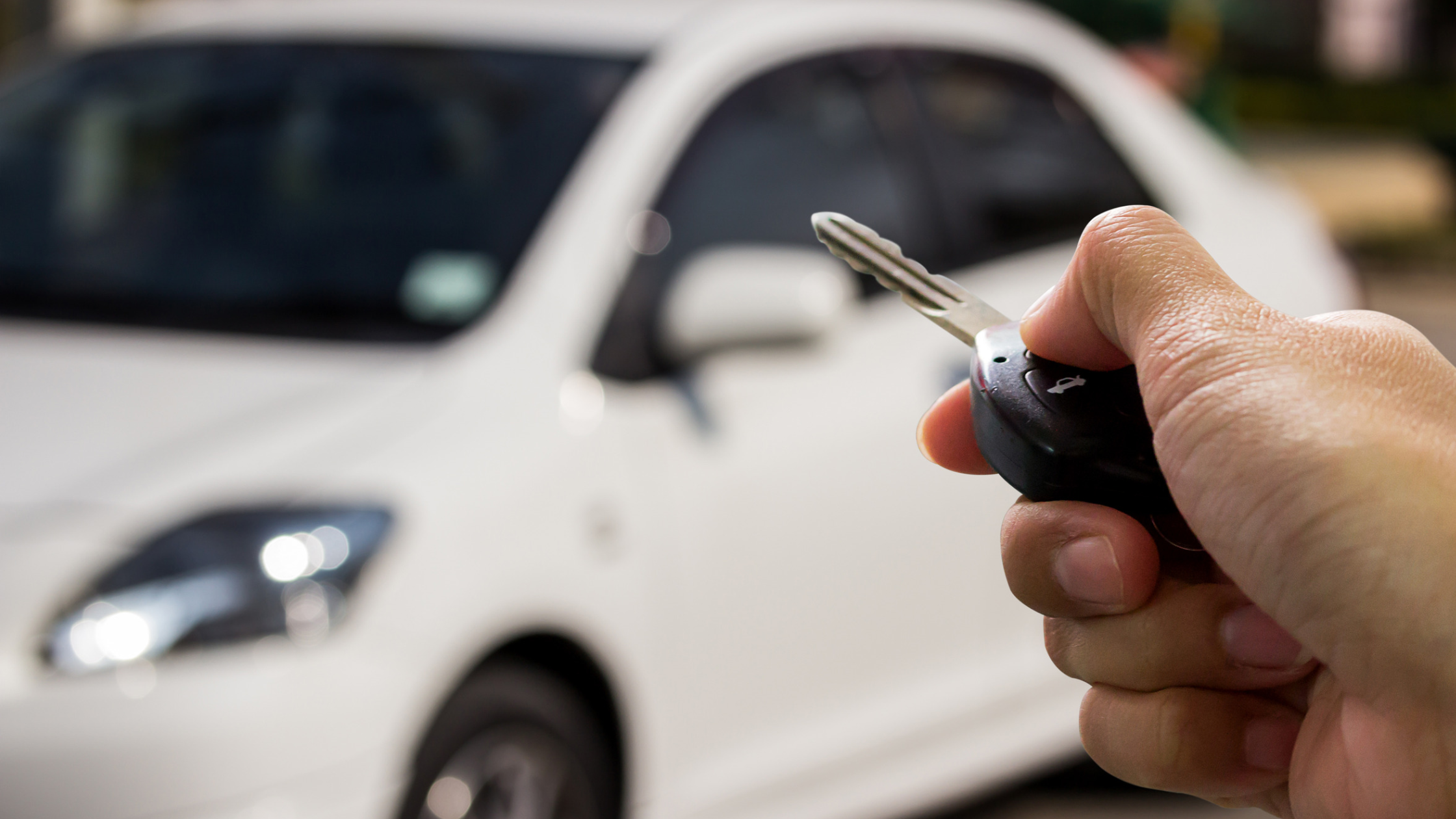
If your vehicle has remote start, you may be able to start it from inside your home and allow the climate system to begin warming the cabin before you head outside.
Explore the Chevrolet vehicle lineup to learn about available comfort and convenience features.
3. Never Pour Hot Water on a Frozen Windshield!
We know it's tempting. You're running late, your windshield is frozen, and pouring a little hot water over it might seem like the fastest solution.Don't do it!
A sudden temperature change can cause glass to crack, especially if your windshield already has small chips or imperfections.
Instead, try these safer methods:
- Use a quality automotive ice scraper.
- Apply a windshield-safe de-icing spray.
- Turn on your vehicle's defroster.
- Give the ice time to loosen before scraping.
- Use a soft snow brush to remove loose snow.
A few extra minutes of patience can save you from an expensive windshield replacement!
4. How Long Should You Let Your Vehicle Run Before Driving?
Let's answer the big question!For most modern gasoline-powered Chevrolet vehicles, approximately 30 seconds of idling is generally enough before driving away in ordinary cold-weather conditions.
However, the time needed to clear your windshield is a separate consideration.
Here's a quick guide:
| Outside temperature | Suggested approach |
|---|---|
| 40°F and above | Start, allow about 30 seconds, then drive gently |
| 20°F–40°F | Allow about 30–60 seconds and clear frost |
| 0°F–20°F | Allow additional time if needed; follow your owner's manual |
| Below 0°F | Follow manufacturer cold-weather recommendations and ensure proper visibility |
Once you're moving, avoid hard acceleration and high engine speeds until the engine reaches normal operating temperature.
And remember, you don't need to wait for the temperature gauge to reach its normal position before driving gently.
5. Don't Forget Your Side Mirrors, Rear Window, and Headlights!
Your windshield isn't the only thing that needs attention before you hit the road.Frost and snow can cover important areas of your vehicle, making it difficult to see other drivers and obstacles.
Before leaving your driveway, make sure you clear:
- Front windshield.
- Rear windshield.
- Driver and passenger windows.
- Side mirrors.
- Headlights and taillights.
- Backup camera.
- Roof and hood.
Taking an extra few minutes to clear your entire vehicle can make a big difference in winter driving safety.
6. Use Remote Start for Those Freezing Kansas Mornings
If you dread walking outside to a freezing vehicle, remote start can be a game changer!Many Chevrolet models offer remote start, allowing you to start your engine before getting inside.
Depending on the model and equipment, remote start can also activate climate-control settings to help warm the cabin and clear the windows.
Some Chevrolet vehicles offer remote-start functionality through the myChevrolet mobile app, depending on vehicle compatibility and connected services.
Imagine getting ready for work, starting your vehicle from inside, and stepping into a warmer cabin instead of a freezing driver's seat!
It's one of those features you might not appreciate until the first major Kansas cold snap arrives.
7. Keep Your Vehicle Winter-Ready
Starting your vehicle properly is just one part of winter preparation.Cold weather can affect several important vehicle components, so it's worth taking a few extra precautions before temperatures drop.
Here are some things to check:
Battery Health: Cold weather can make it harder for your battery to deliver the power needed to start your engine. Have your battery tested if it's older or showing signs of weakness.
Engine Oil: Make sure you're using the oil viscosity recommended by your vehicle manufacturer.
Tire Pressure: Tire pressure can decrease as temperatures drop. Check your tires regularly and inflate them to the recommended pressure listed on your driver's door-jamb label.
Coolant: Make sure your coolant is at the proper level and concentration for freezing temperatures.
Windshield Washer Fluid: Use winter-rated washer fluid that can withstand freezing conditions.
Wiper Blades: Inspect your wipers for wear and replace them if they're leaving streaks or struggling to clear your windshield.
Need help getting your Chevrolet ready for winter? Visit McCarthy Chevrolet Overland Park Service to learn about our service department.
8. What About Electric Vehicles? Do They Need to Warm Up Too?
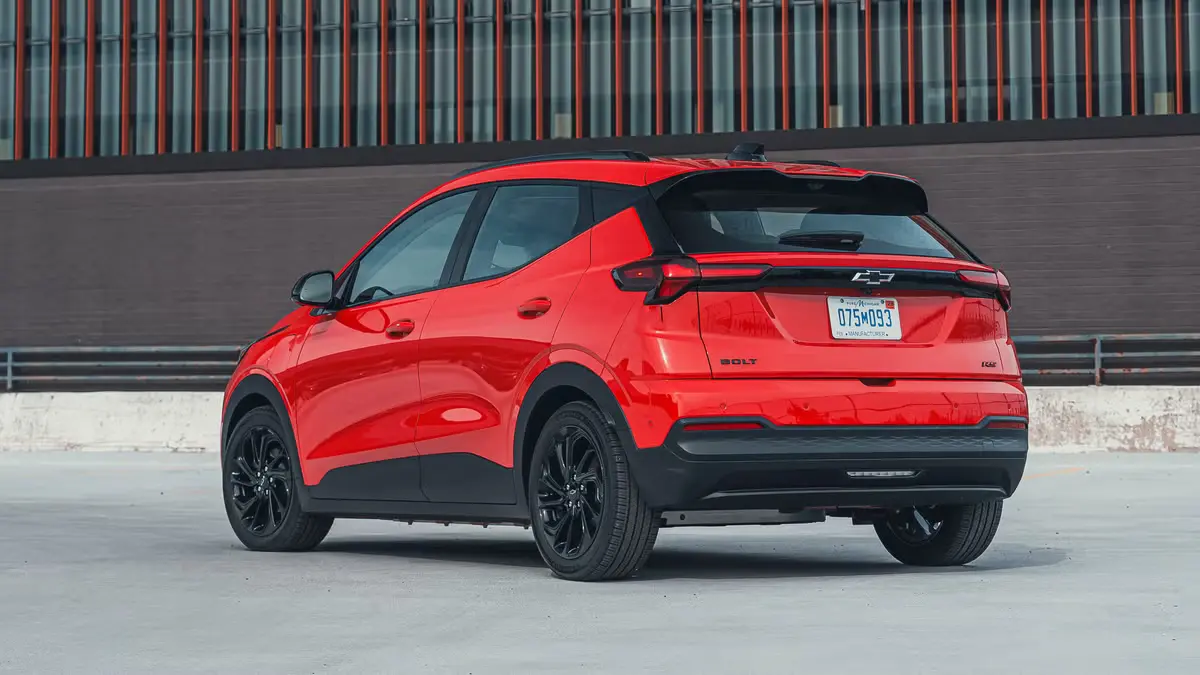
If you're driving a Chevrolet electric vehicle, your winter routine will look a little different.Unlike traditional gasoline-powered vehicles, EVs don't have a combustion engine that needs to warm up before driving.
However, cold temperatures can affect battery performance and available driving range.
For Chevrolet EV owners, a few helpful winter habits include:
- Precondition your cabin before leaving.
- Keep your vehicle plugged in when possible.
- Use heated seats and the heated steering wheel when equipped.
- Plan charging stops ahead of longer trips.
- Allow extra time for charging when temperatures are extremely cold.
Get Your Vehicle Ready for Winter at McCarthy Chevrolet Overland Park!
Kansas winters can be unpredictable. One morning it's 45 degrees, and the next you're scraping frost off your windshield before sunrise!Whether you're driving a Chevrolet Silverado, Equinox, Traverse, Tahoe, or another vehicle, taking care of your car during colder months can help keep you comfortable and prepared for the road ahead.
At McCarthy Chevrolet Overland Park, we're here to help with your vehicle needs throughout every season.
Ready to get your vehicle winter-ready?
- Schedule Chevrolet Service
- Shop New Chevrolet Inventory
- Shop Used Vehicle Inventory
- Explore Chevrolet Models
- Contact McCarthy Chevrolet Overland Park
9201 Metcalf Avenue
Overland Park, KS 66212
The next time you wake up to a frosted windshield, remember: start your vehicle, let it run briefly, turn on the defroster, clear all your windows, and drive gently once you have proper visibility.
A little preparation goes a long way toward a safer Kansas winter!