





It’s easy to put off minor car repairs. Blinker going out? Whatever, I’ll fix it next week. Windshield chipped? Who cares, it’s tiny. Radio doesn’t work? Eh, we can just listen to CDs.
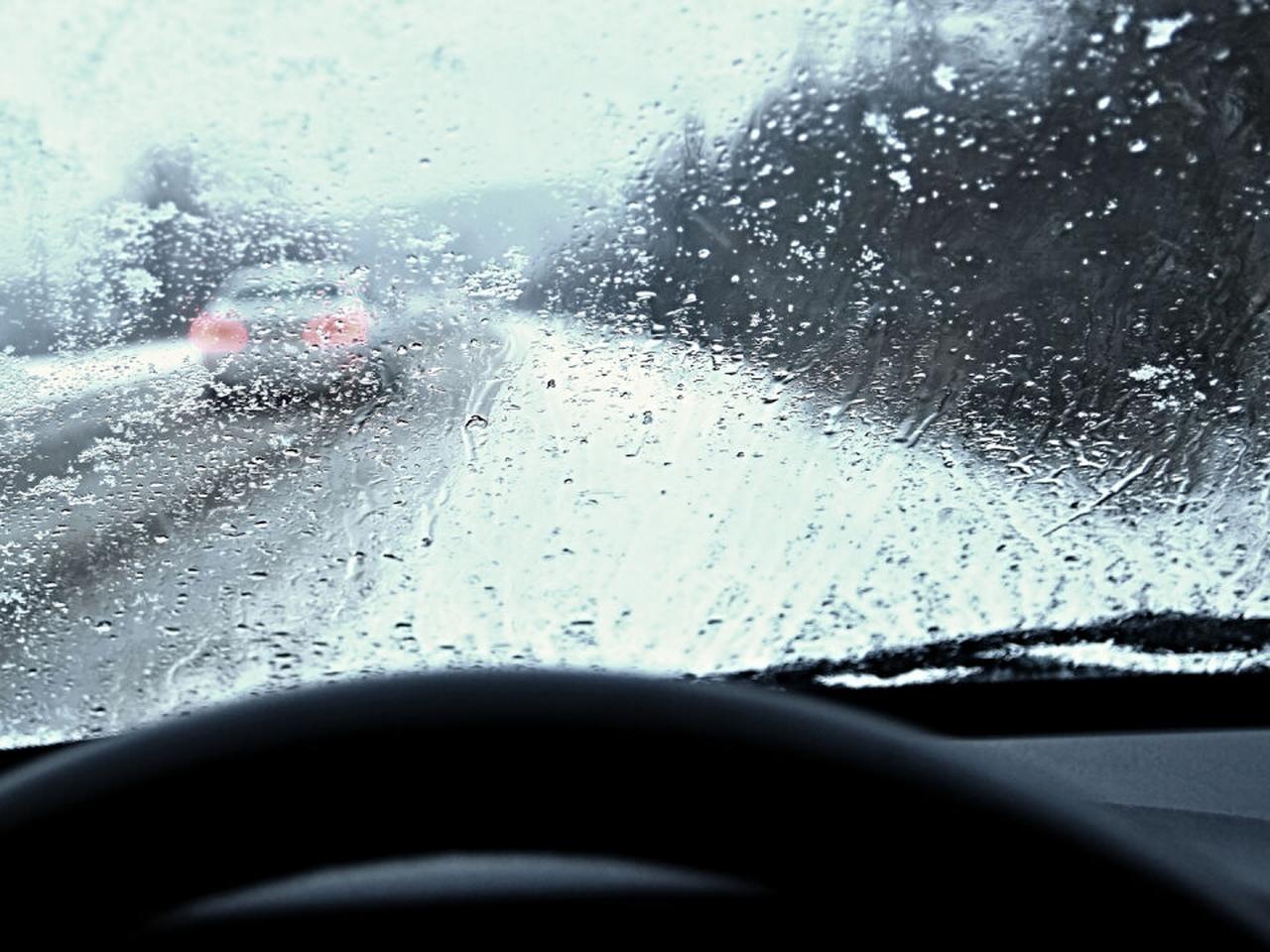
On the other hand, certain things can quickly turn into a massive headache if you don’t get them fixed right away. Your window defroster is one of them. Not only is a broken defroster terribly inconvenient in the winter, it’s downright dangerous.
How Does a Car Defroster Work?
As you’d expect, the main purpose of a defroster is to heat the surface of the automotive glass, which in turn eliminates any frozen water molecules that have collected on the windshields or windows. Defrosting your windshield makes life a lot simpler because it allows you to easily scrape ice off, or just use the windshield wipers to clear any snow.
The defroster is also commonly known as a defogger, because it removes condensation from the inside of the windows and improves visibility. The terms “defroster” and “defogger” are interchangeable.
Most cars have a front and rear defroster, and they both work differently.
The front defroster is part of the air conditioning system, and it relies on the vehicle’s cooling system to work properly. It consists of a vent positioned at the base of the windshield, which blows hot air upward and warms it gradually from the bottom. Most modern defrosting systems automatically engage the A/C, which helps to remove moisture from the air entering the cabin. Warm, dry air is necessary for removing frost and fog from the windshield and side windows. For the best performance, you should also turn off the air recirculation setting when the front defroster is on.
The rear defroster works using wiring that runs through the rear windshield—if you’ve ever wondered what those horizontal lines in your back window are, that’s it. When the rear defroster is engaged, the heating elements inside the glass crank up, thus removing any built-up ice and fog. These defrosters are often designed to automatically shut off after a certain period of time, so as not to overtax the electrical components. Because of the quick convective heat from the wires, the rear defroster tends to work faster than the front; it doesn’t even require the car to warm up before it starts working. Additionally, some newer cars have heated mirror defrosters, which typically work in a similar fashion to the rear window defroster.
Common Front Defroster Problems
Your front defroster is sometimes known as the primary defroster. Because it’s linked to the car’s HVAC, any A/C or engine cooling system problem can affect the front defroster.
Defroster Vent
First and foremost, when diagnosing a broken defroster, you should check to see if air is actually blowing out of the defroster vent, which is located near where the dash meets the windshield. Simply turn the defroster on full blast, and hold your hand over the vent to see if air is coming out. You should also be able to hear it, and the defroster vent will often make a distinct, lower sound compared to the other cabin air vents.
If no air is coming out of the vent, there are a few potential causes. One of the most common is that the blower motor or blower fan has gone kaput. You’ll know this is the case if the airflow from the vents is reduced, and you may also hear strange noises when you turn the air up. A blown fuse is one of the most common culprits here, but the good news is that this is an easy fix—simply consult your owner’s manual to find the location of the correct fuse, and replace it. If that doesn’t fix the problem, or the fuse blows again, it’s time to stop by your local service specialist.
There could also be an issue with the defroster vent itself. Vents can become clogged over time and periodically need a thorough cleaning. If your vent is unobstructed, it may be an underlying problem with one of the internal valves or air doors.
Defroster Button
Unless your car’s A/C interface is fully integrated with the onboard infotainment system, the defroster works using a physical button. As with any electrical switch, over time these buttons may stop working due to an underlying wiring issue. A professional will need to take the dash apart and reconnect the wires.
Air Conditioning System
The A/C system is responsible for removing moisture from the passenger cabin of the vehicle. Without removing excess moisture, exterior ice may melt from the hot air, but your windshield and side windows won’t defog properly, so you still won’t be able to see. Remember, we need warm dry air.
Common signs of a broken A/C system are that the car doesn’t blow cold air, and hearing strange noises from inside the dash when you turn the A/C on.
If you suspect your air conditioning isn’t working, the first step is to check your refrigerant levels, and top it off if necessary. After that, pay close attention to the fluid over the next couple weeks. If you check back and find it’s low again, you have a leak. Refrigerant leaks are notoriously difficult to find, because refrigerant is colorless and mostly odorless, and it also tends to evaporate rather quickly. To find a leak, your local service technician will either run a special dye through the system or use a detector tool, which some people call a sniffer.
If you determine that you don’t have a coolant leak, you may have an issue with one of the mechanisms of the air conditioning system, like the compressor, condenser, or evaporator.
Engine Cooling System
Your car uses the heat from the engine to provide warm air inside the cabin. When the hot air setting is activated, hot coolant from the engine compartment is redirected to the heater core, which uses the same fan as the air conditioner. The fan blows through the heater core, and just like that, you have warm air for your defroster.
If your vents and defroster won’t blow hot air, you’ll probably notice it right away in the winter time, partially because your windshield won’t defrost, and partially because you’ll be freezing. The first thing you should check is the coolant to make sure it isn’t contaminated. Just like other fluids, coolant goes bad after a while, and it needs to be flushed and replaced. New coolant is a very vibrant color, typically green or orange, and you’ll know it’s gone bad if it takes on a sooty, brownish color. Coolant is vital for regulating engine temperature, so it should be checked regularly.
After you’ve dealt with the coolant, if the problem persists, the next most likely cause is a busted heater core. Aside from not having hot air, signs of a bad heater core include excessive fogginess in the windows, and a sweet smell coming from the vents, both of which are caused by coolant seeping into the cabin.
Other engine cooling components can fail, and if they do, it’s likely your windshield won’t defrost properly. These parts include the engine cooling fan, radiator cap, water pump, and thermostat, all of which are essential to ensure your engine doesn’t overheat. If you suspect an issue with your cooling system, schedule a service appointment immediately.
Common Rear Defroster and Heated Mirror Problems
These are also known as secondary defrosters, and they operate off the car’s electrical system.
Fuses
If the front defroster works but not the rear, the fuse box is the first place you should check. Rear defrosters and heated mirrors draw quite a bit of power, so blowing up a fuse during the wintertime is somewhat common. Like any fuse replacement, check your owner’s manual to locate the little bugger, and if it’s broken, swap it out for a new one.
Defroster Grid
Over time, the wires and connections that make up the rear defroster can wear out for a multitude of reasons.
Many rear window defroster wires are sandwiched between sheets of glass, which protects them from damage. However, some rear defrosters are simply adhered to the inside of the rear window, which makes them more susceptible to damage. If you have the surface-printed variety, it’s important to be careful not to let cargo scrape against the rear window, and take special care when cleaning the glass. Any damage to the filament may sever the connection and knock out the entire row, and this will require a specialist to repair.
Rear defroster wires can also degrade over time from exposure to sunlight. The connection tabs at the edges of the window can be jostled loose as well. Spotting a bad rear defroster connection is pretty straightforward—you’ll notice a band of fog or snow that doesn’t clear from the rear window when the defroster is on. Upon closer inspection, you might even be able to see exactly where the connection gap is. If you’re really pinching pennies, there are DIY rear defroster repair kits available online, but we recommend having it professionally done.
Defroster Button
Much like the front defroster, if the button for the rear defroster or mirrors experiences electrical problems, you’ll have to bring it in for repairs.
Schedule Car Repair in Overland Park
You don’t want to be left out in the cold with a car that won’t defrost, so if you’re having trouble clearing your windows, McCarthy Chevrolet of Overland Park has you covered. Give us a call at 866-453-2062 for auto service in Kansas City, and be sure to ask us about service and parts financing.


