





What Are the Signs of a Bad Heater Core in Your Car and Why Is Your Car Heater Not Working?
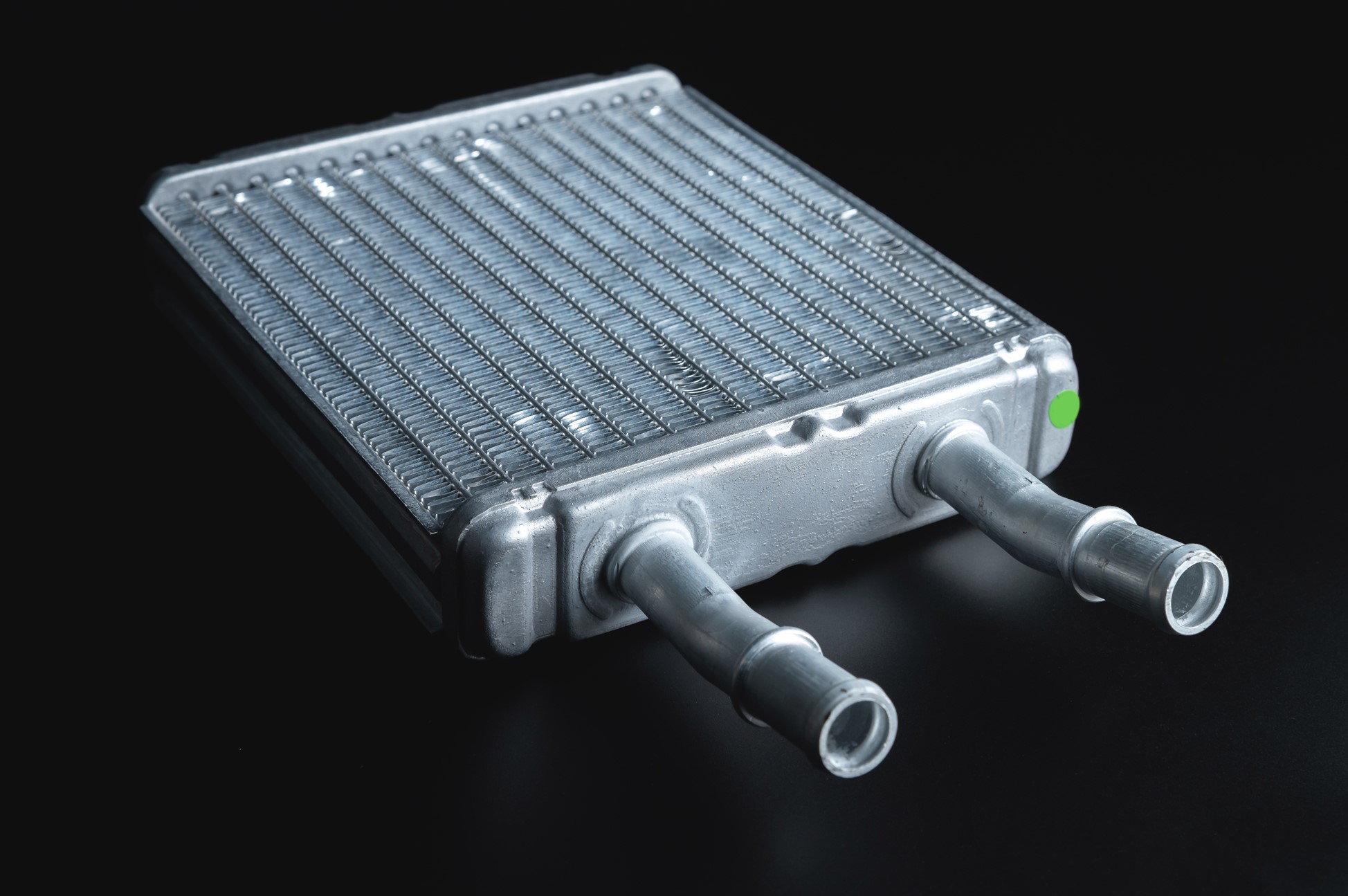
A faulty heater core is a common reason why your car heater may stop working properly. The heater core warms the air circulated inside your vehicle, helping you stay comfortable and keeping your windshield clear during cold weather. If your car heater isn’t producing heat, it’s important to check for signs of a bad heater core, as this component is essential for cabin comfort and engine temperature regulation.
What Is a Heater Core and How Does It Work?
The heater core is a small radiator-like device connected to your vehicle’s engine cooling system. Hot coolant flows through it, and a fan blows air over the heated core, pushing warm air into the cabin. This system heats the interior during cold months and defrosts the windshield to improve visibility. The heater core is usually located inside the dashboard near the center and may require professional service to access.
Common Heater Core Signs and Why Your Car Heater Isn’t Working
Here are key signs that indicate your heater core may be failing:
The Heater Is Not Blowing Warm Air
If your heater blows cold or lukewarm air, your heater core might be clogged or broken. Debris can build up inside the core’s fins over time, restricting airflow. While some technicians can flush the system, improperly attempting to clear the blockage can damage the heater core or engine. Sudden heat loss often means the heater core has failed and needs replacement.
Windshield Won’t Defrost Properly
A working heater core is crucial for your defroster. If the windshield stays foggy or icy because warm air isn’t blowing through the defroster vents, it’s often due to heater core issues. Before assuming the core, check if the vent is blowing at all; a blend door problem or clogged vent might also be the cause.
You Smell Antifreeze Inside the Car
Coolant used in your vehicle’s heater core has a distinctive sweet smell. Detecting a fruity or sweet antifreeze odor inside the cabin usually means the heater core is leaking fluid. This leak can damage other components, so it’s best to have a professional diagnose and fix the issue immediately.
Coolant Leakage and Damp Carpets
Leaks can cause antifreeze to pool under your dashboard, resulting in a wet, sticky carpet and a persistent smell. If you find moisture on the floor, identify if it smells like antifreeze or just water from condensation. Antifreeze leakage is a strong sign the heater core needs repair or replacement.
Engine Overheating Issues
Since the heater core is part of the cooling system, leaks can reduce coolant levels, causing engine overheating. If your temperature gauge rises above normal, or your coolant needs frequent refills, it’s critical to have your vehicle inspected. Overheating can lead to costly engine damage if left unchecked.
How McCarthy Chevrolet Overland Park Can Help With Your Heater Core Problems
If your car heater is not working or you notice any of the symptoms above, trust McCarthy Chevrolet Overland Park’s expert service department for reliable diagnosis and repairs. Our certified technicians specialize in Chevy service maintenance and can quickly identify heater core issues and offer cost-effective solutions. Schedule your service appointment online or call us at 866-565-8106. Ask about our flexible service financing options to keep your car warm without worry.
Schedule Car Repairs in Kansas City
Is your car not acting right? Is the heat not pumping hot? Fret not, because McCarthy Chevy of Overland Park has an expert service department ready to go. Give us a call at 866-565-8106, and don’t forget to ask about our available service financing to help you get back on the road without breaking the bank.
Frequently Asked Questions About Heater Core Problems
What causes a heater core to fail?
Heater cores commonly fail due to leaks, blockages from debris buildup, corrosion, or physical damage. Regular coolant maintenance helps prevent premature failure.
Can I drive with a bad heater core?
Driving with a faulty heater core can lead to no cabin heat, coolant leaks, foggy windows, and potential engine overheating. It’s safer to get the problem fixed promptly.
How long does a heater core replacement take?
Replacement times vary, but they usually take several hours because the dashboard often requires partial disassembly. A certified technician will provide an accurate estimate.
Is a bad heater core covered under warranty?
Coverage depends on your vehicle warranty and service agreements. McCarthy Chevrolet can help review your warranty status and recommend solutions.


